||Anarkali vs lehenga difference is a common question for anyone shopping for festive or wedding ethnic wear. Both outfits are flared, floor-length, and undeniably elegant, which often makes them seem quite similar at first glance. But once you understand the actual differences in their structure and styling, choosing between the two becomes much easier.
In this guide, we at Shopvra will break down exactly how an anarkali differs from a lehenga, so you can confidently choose the right outfit for your next festive occasion.
What is an Anarkali?
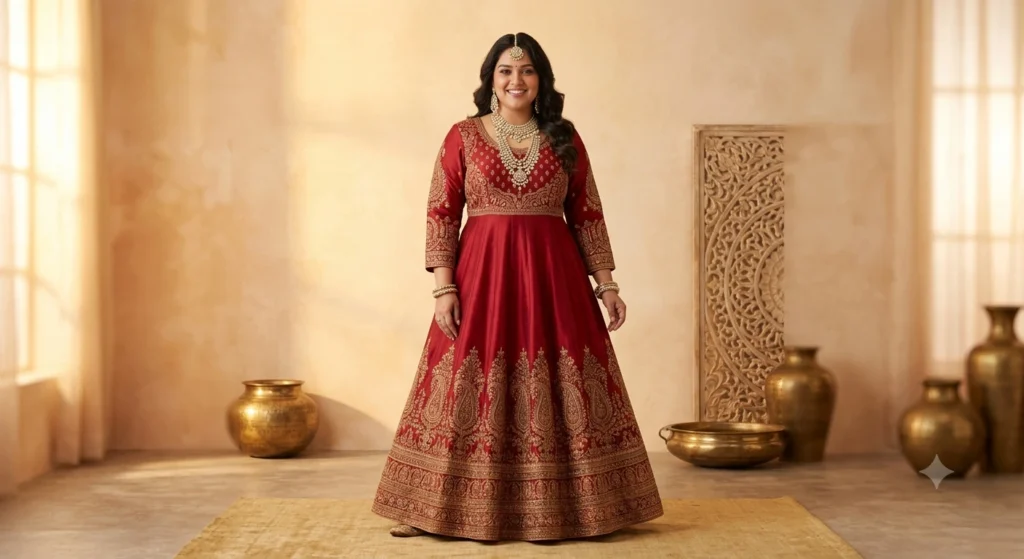
An anarkali is a one-piece flared outfit that flows outward from the bust or waist, creating a long, graceful silhouette. It is essentially a long, floor-length kurta with a fitted upper bodice and a flared lower half, usually paired with churidar pants underneath and a dupatta.
Anarkalis are known for their elegant, flowing movement and are a popular choice for festive occasions, sangeet functions, and even receptions, depending on how heavily embellished they are.
What is a Lehenga?
A lehenga, on the other hand, is a two-piece (or three-piece) outfit consisting of a fitted blouse called a choli, a separate flared skirt called the lehenga, and usually a dupatta. Unlike the anarkali, the top and bottom are completely separate pieces, which allows for more structure and design variation between the blouse and skirt.
Lehengas are traditionally associated with weddings and grand celebrations, known for their rich fabrics, heavy embellishments, and voluminous flare.
Key Differences Between Anarkali and Lehenga
1. Structure
An anarkali is a single, one-piece outfit, while a lehenga consists of separate pieces, a blouse and a skirt, that are worn together.
2. Silhouette
Anarkalis have a more streamlined, flowing silhouette from the bust downward, while lehengas typically have more volume and structure in the skirt, especially with layered or pleated designs.
3. Fit and Comfort
Anarkalis, being one-piece with fitted churidars underneath, often feel slightly more comfortable and easier to move in compared to the sometimes heavier, more voluminous lehenga skirts.
4. Occasion
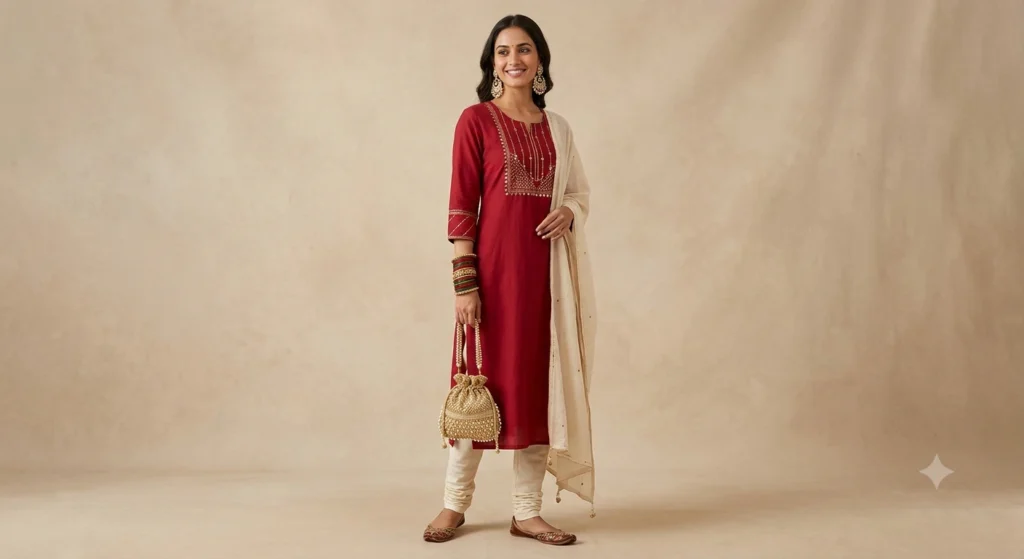
Anarkalis are versatile and can be worn for festive occasions, sangeet functions, and even semi-formal events. Lehengas are more commonly reserved for weddings, receptions, and grand celebrations due to their richer, more elaborate design.
5. Styling Flexibility
Since a lehenga’s blouse and skirt are separate, you have more flexibility to mix and match different cholis with the same lehenga skirt for different looks. An anarkali, being one-piece, offers a fixed overall look.
Which One Should You Choose?
Choosing between an anarkali and a lehenga depends on the occasion and the kind of look you want to create.
- For sangeet functions or festive celebrations where you need ease of movement, an anarkali is a great choice.
- For weddings or receptions where you want a more voluminous, dramatic look, a lehenga is the classic choice.
- If comfort and mobility are a priority, especially for functions involving dancing, an anarkali is generally easier to move in.
- If you want more flexibility to restyle your outfit with a different blouse later, a lehenga offers that advantage.
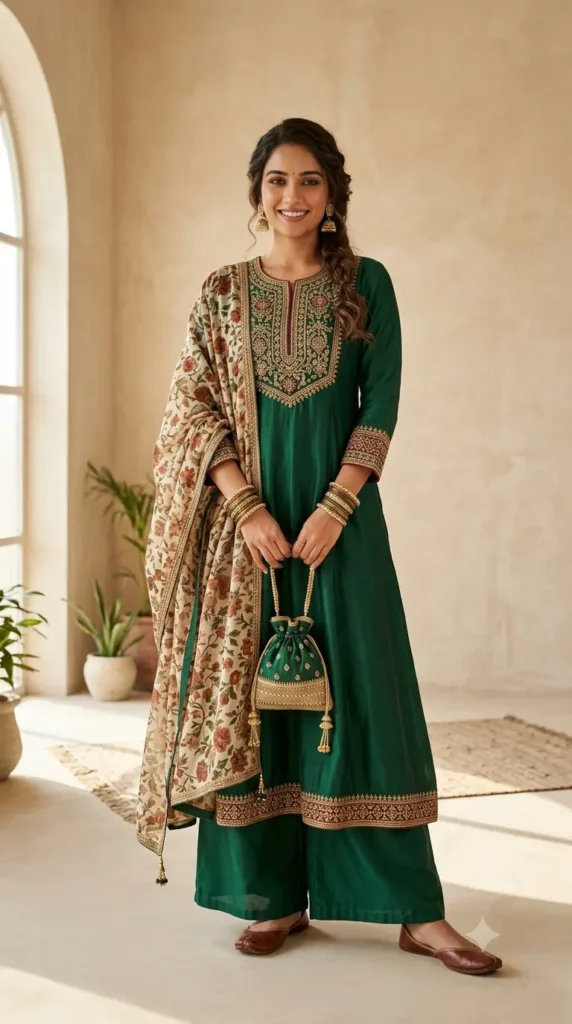
Common Myths About Anarkali and Lehenga
Myth 1: Anarkalis and Lehengas Look the Same
While both are flared and floor-length, their structure is quite different, an anarkali is one-piece, while a lehenga is a separate blouse and skirt.
Myth 2: Lehengas Are Only for Weddings
While traditionally associated with weddings, lighter, less embellished lehengas can absolutely be styled for other festive occasions too.
Myth 3: Anarkalis Are Less Festive Than Lehengas
With the right fabric, embroidery, and embellishment, an anarkali can look just as festive and grand as a lehenga, especially for sangeet or reception functions.
Shop Anarkalis and Lehengas at Shopvra
At Shopvra, we bring you a wide range of both anarkali suits and lehenga cholis, designed for every festive occasion, whether it’s a sangeet function or a grand wedding celebration.
Explore our latest collection and find the perfect anarkali or lehenga to match your occasion and personal style.
Conclusion
Understanding the anarkali vs lehenga difference makes shopping for festive ethnic wear so much easier. While an anarkali offers a flowing, one-piece silhouette that’s comfortable and versatile, a lehenga offers a structured, voluminous look with more styling flexibility between the blouse and skirt. Knowing this difference helps you pick the right outfit for the right occasion, every time.
We hope this guide has cleared up the confusion between anarkalis and lehengas for you. Visit Shopvra today to explore our collection of both styles, designed for every festive occasion.
for more imfo contact us
FAQs
1. Is an anarkali more comfortable than a lehenga? Generally yes, since an anarkali is a one-piece outfit with fitted churidars underneath, it tends to be easier to move in compared to a heavier, more voluminous lehenga skirt.
2. Can I wear a lehenga to a sangeet function? Yes, a lighter, less heavily embellished lehenga can absolutely be worn for a sangeet function, especially if it allows enough ease of movement for dancing.
3. Is an anarkali suitable for weddings? Yes, a heavily embellished, richly designed anarkali can absolutely be worn for wedding functions, especially receptions.
4. Can the blouse of a lehenga be changed later? Yes, since the blouse and skirt are separate pieces, you can pair the same lehenga skirt with a different choli for a fresh look.
5. Where can I shop good quality anarkalis and lehengas online? You can explore a wide range of anarkali suits and lehenga cholis at Shopvra, designed for every festiv